
Several hospitals in China faced persistent overheating issues in medical equipment, adversely affecting diagnostic accuracy and treatment efficiency:
- Imaging Equipment (CT, MRI, etc.): Core components generated significant heat during operation, causing temperature fluctuations beyond ±5°C. These variations reduced image resolution and increased the risk of diagnostic errors, compromising precision in medical evaluation.
- Therapeutic Equipment (Laser Lithotripsy, Ophthalmic Laser Systems, etc.): High temperatures led to power attenuation, unstable treatment performance, and frequent shutdowns for maintenance, disrupting clinical workflows and delaying patient care.
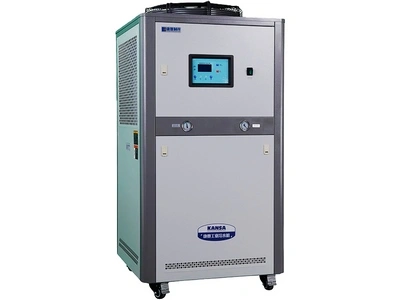
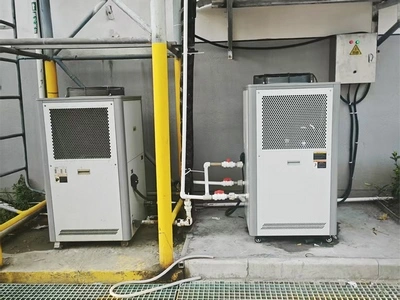
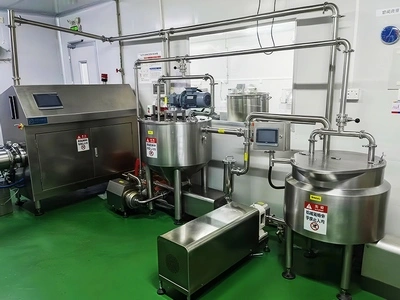
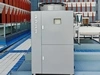
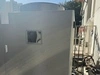
KANSA designed tailored cooling solutions for hospital-grade medical systems. For medium-load imaging devices such as CT and MRI scanners, 20 HP industrial chillers were installed, maintaining core equipment temperature at 22±1.5°C through a closed-loop cooling system to ensure imaging stability. For laser and diagnostic systems, 25 HP industrial chillers were deployed to reinforce heat dissipation and maintain 20±1°C operational stability. All chillers feature 304 stainless steel heat exchange components, meeting medical cleanroom standards, and are equipped with water shortage and high-pressure alarms to support continuous 24-hour hospital operation.
After implementation, imaging clarity improved by 10%, enhancing diagnostic accuracy, while laser treatment equipment downtime dropped by 90%, significantly boosting clinical efficiency. With proven reliability and precise temperature control, KANSA chillers have become a trusted thermal management solution for stable medical equipment operation.